


Let’s Reimagine What Justice Looks Like in Schools
By Jason Smith
The kids have returned to school. It’s a big transition for many of them, with new classes, new classmates, and sometimes a whole new school. School occupies a significant part of a young person’s life. As a result, signs that a young person is struggling are often visible at school, making schools a critical place to identify needs, connect students with support, and intervene before challenges escalate.
To create change, we first have to envision what that change can look like. For MCYJ, we want to see schools equipped to respond to students with support, accountability, and opportunities for early intervention, rather than unnecessary exclusion or justice-system involvement. With tight budgets and competing priorities, schools cannot always fully meet the needs of their large student populations. To truly transform the role schools can play in a child’s life, we would need significant investment in staff, services, school-family partnerships, and community resources.
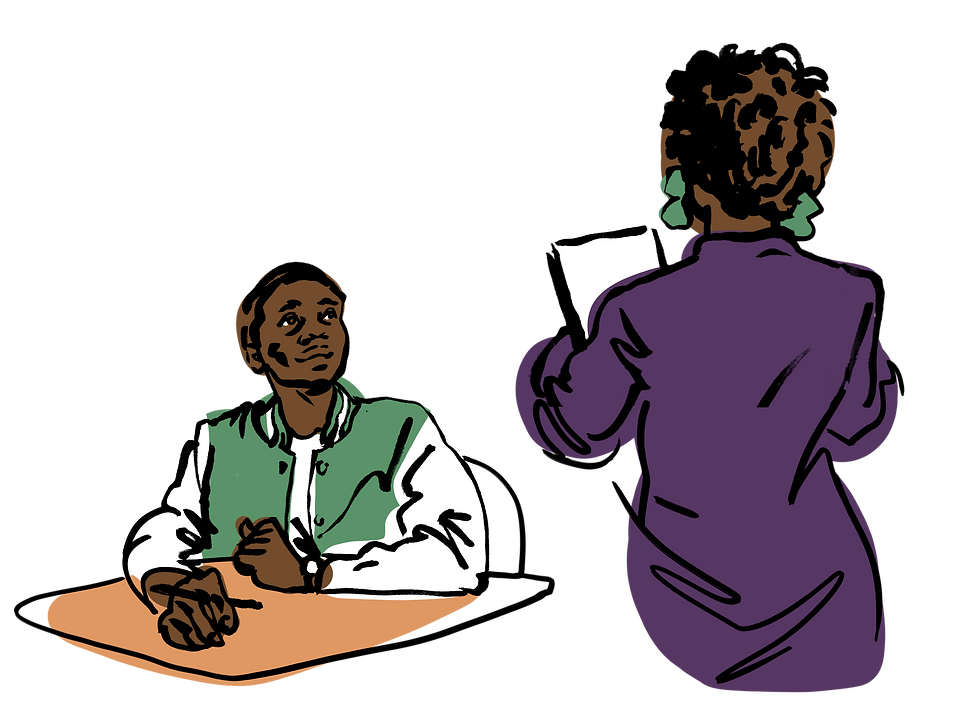
First, we need to recognize that kids can and will make mistakes. We can hold them accountable while still being compassionate. We can do that by supporting restorative justice practices. Restorative practices offer a way to hold young people accountable while helping them understand harm, repair relationships, and remain connected to their school community.
Second, young people need meaningful connections and opportunities outside the classroom.
Kids need and often want mentorship. It takes a village to raise a child, and what that means in modern times is that families should be able to lean on their communities to offer guidance to our children. Programs before and after school that offer youth engaging ways to spend their free time and support them in building connections with trusted adults in the community can set them up with a strong foundation for the future.
Another form of engaging after-school activity is sports and other recreational opportunities. Sports and recreational activities teach skills, provide an outlet, create community, and offer social connection. Accessible versions of those opportunities are particularly important. Not every family can afford expensive equipment, participation fees, transportation, or specialized training, but their children still deserve programs, clubs, and projects that are interesting, active, and challenging.

Third, we need programs and resources that address the underlying needs that may be contributing to a young person’s struggles. That includes pre-arrest diversion programs for youth at risk of becoming justice-involved. Kids will make mistakes, but if we can catch them early enough and offer alternatives and methods to take accountability that don’t permanently impact a child’s future, those kids will have much better chances at a bright future. Research generally supports diverting appropriate youth away from formal court processing and toward community-based responses, particularly when those responses connect young people with meaningful services and supports.
We also need to acknowledge that more robust mental health supports and resources would address a portion of the justice-impacted population. Families should not have to rely on juvenile justice involvement as a pathway to services that young people need and should be able to access in their schools and communities. Unnecessary justice-system involvement can create consequences that extend well beyond the immediate situation.
Wanting better for Michigan’s children doesn’t mean ignoring responsibility or accountability when a child makes a mistake. However, accountability must also leave room for young people to learn, grow, and change. By investing in schools, early intervention, community-based supports, and restorative approaches, Michigan can build a system that provides young people with the support they need to succeed.


Comments